

Across Covenant, reconciliation is taking shape through listening, learning and creating meaningful changes to the healthcare experience. At Covenant hospitals in Edmonton, this includes creating spaces where Indigenous patients and families can see their cultures, traditions and ways of healing reflected and respected.
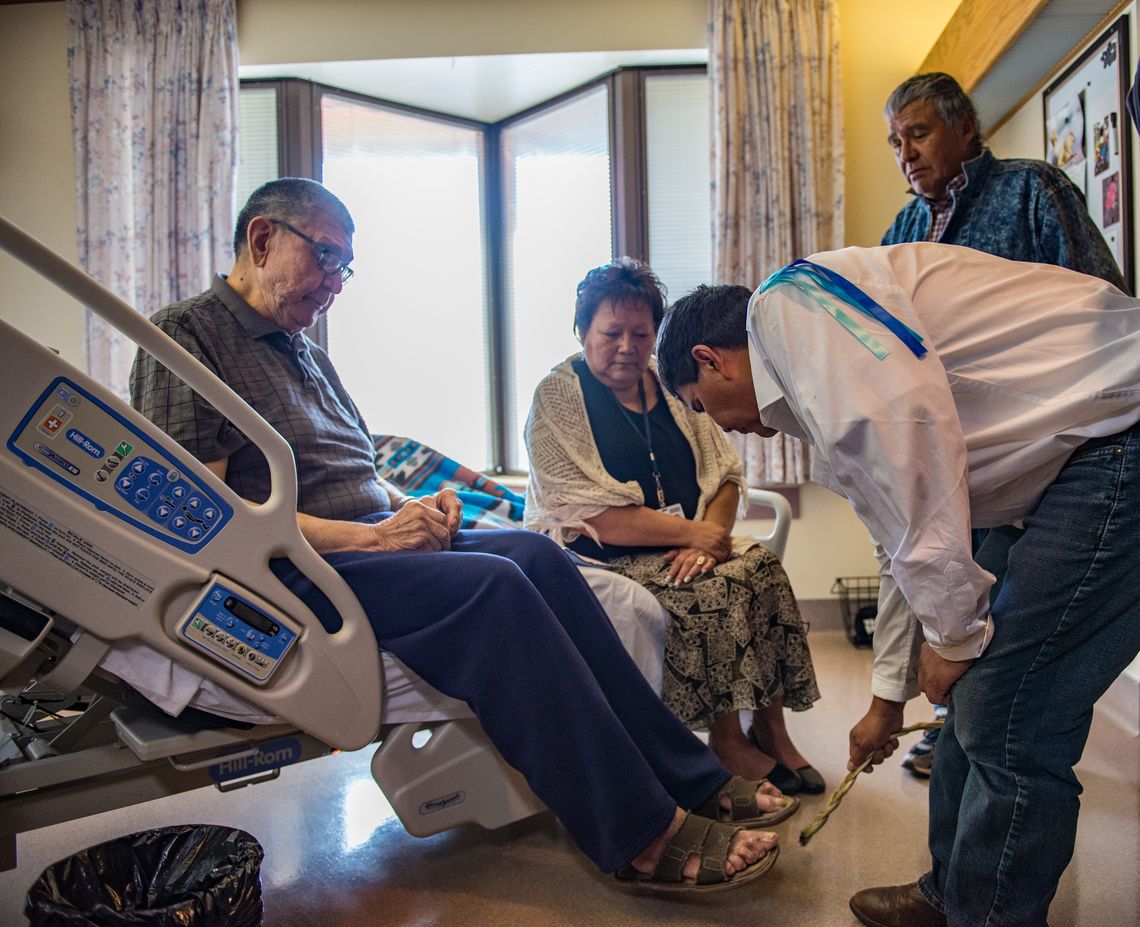
It can look like a family being able to smudge without barriers, a child seeing their culture reflected in the place where they receive care or a mother knowing that traditions important to her can be part of her birth experience.
These are just a few examples of initiatives that are helping move reconciliation from intention into action.
At the Grey Nuns Community Hospital, the Mâmawi Room offers something that can be difficult to find in a busy hospital: a place to gather, reflect and simply be together.
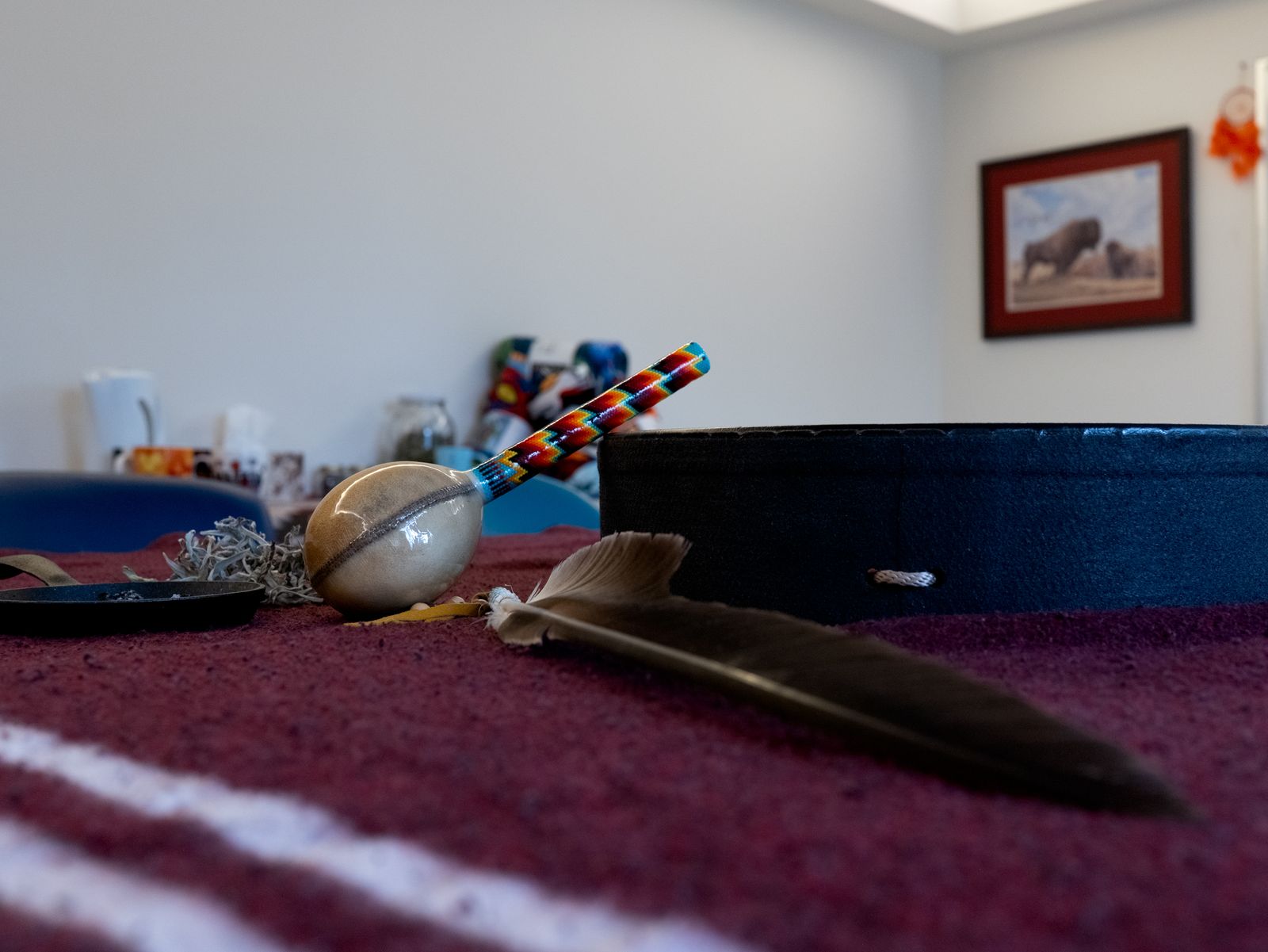
Named for the Cree word meaning “all together,” the space allows patients and families to hold ceremonies, spend quiet time or connect with Elders, Knowledge Keepers and Indigenous Care Liaisons.
During moments of illness, uncertainty, grief or healing, having a space where culture and spirituality are fully welcomed helps the hospital feel safer and more inclusive.
Gifted by a Covenant Foundation donor to honour Indigenous patients, families and Fr. Jim Holland, the Mâmawi Room reflects a broader understanding of care: that healing can involve family, culture, spirituality and community alongside medicine.
“Spaces like the Mâmawi room are the heartbeat of Indigenous care. They make people feel safe, seen and free to bring their whole selves into their healing. They hold our songs, our medicines, our languages and the quiet strength of our families," shares Angela Parisian, Indigenous Care Liaison, Grey Nuns Community Hospital.
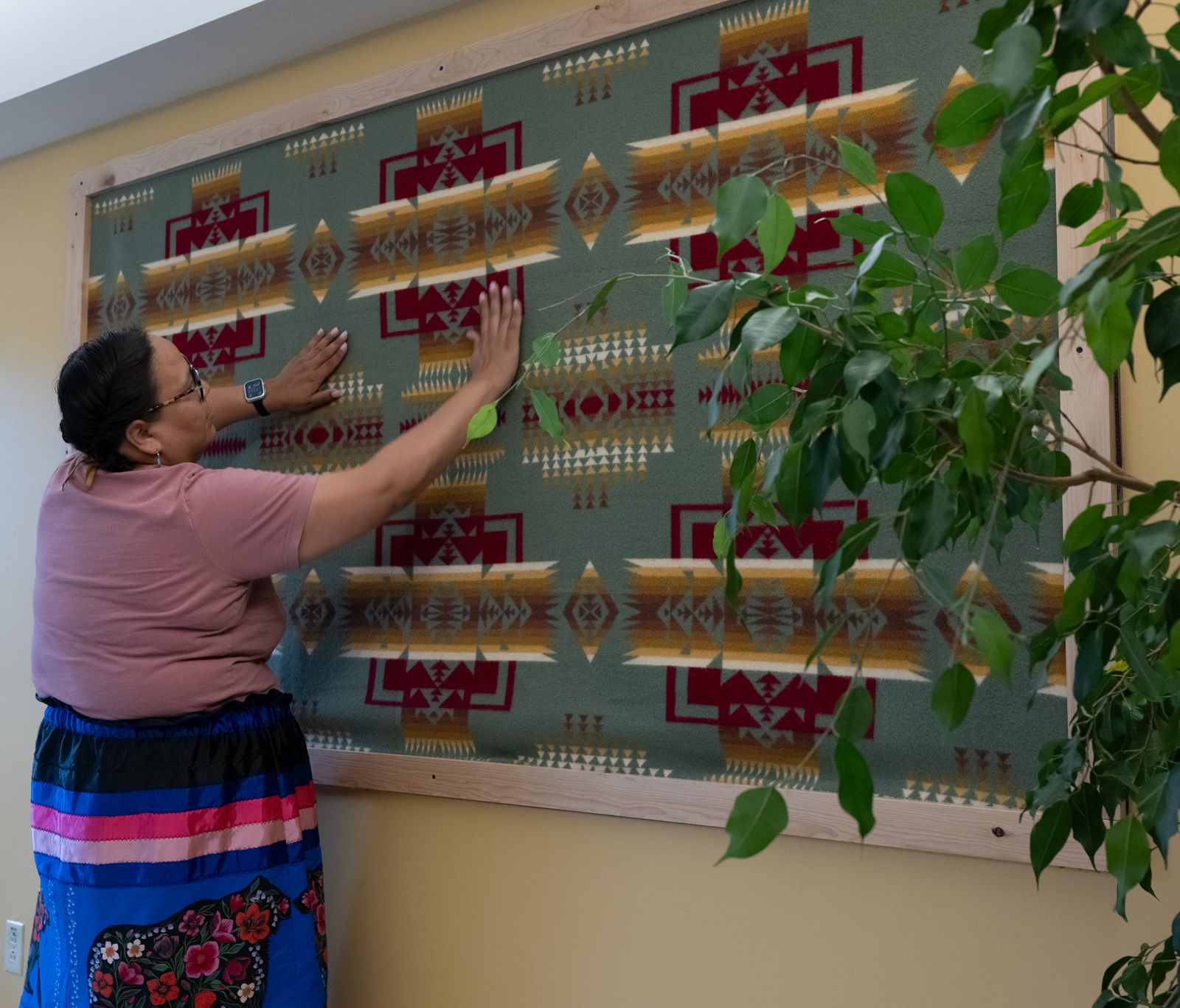
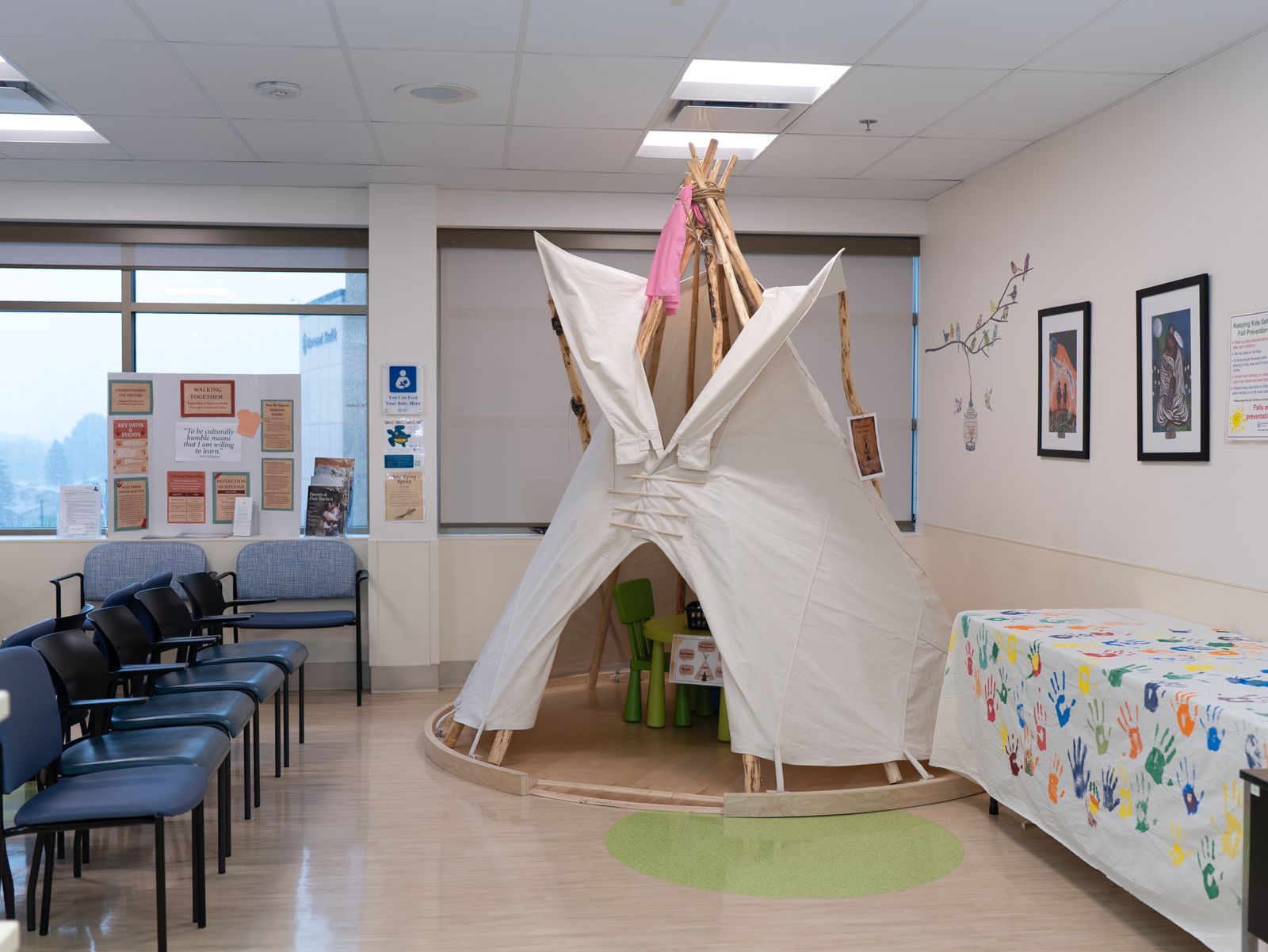
In the Child Health Clinic at the Grey Nuns Community Hospital, a children’s tipi, Indigenous artwork, a star blanket design and a vibrant wall of colourful handprints create an environment distinctly different from a typical clinical space.
For Indigenous children and families, these intentional details send a clear message before an appointment even begins: you belong here.
The space is designed not simply to display Indigenous culture, but to create a sense of familiarity, connection and welcome. For children entering a healthcare setting that may otherwise feel unfamiliar or intimidating, seeing culture reflected around them can help create a more comfortable beginning to the care experience.
“The Indigenous cultural spaces welcome our families and set the stage for everything that happens in the appointment,” says Sarah Perala, social worker with the Child Health Clinic.
That sense of belonging extends directly into clinical care. Families are invited to share their stories, explore their history using genograms and define family on their own terms. Asking questions such as “Who are your people?” recognizes that a child’s circle of family, caregivers and community may extend beyond conventional definitions.
“Seeing their handprints alongside others helps our children feel connected to the broader community and accepted for who they are," a parent of a Child Health Clinic patient reflects.
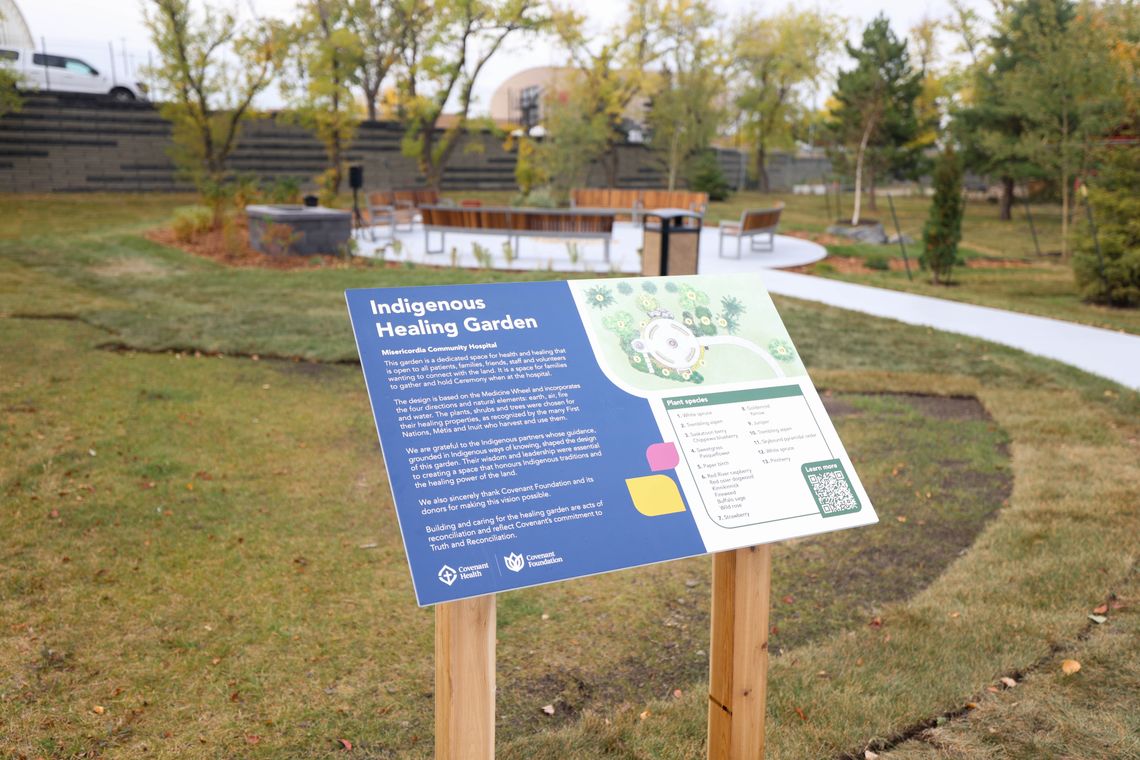
The journey toward an Indigenous birthing space at the Misericordia Community Hospital began not with construction, but with listening and learning.
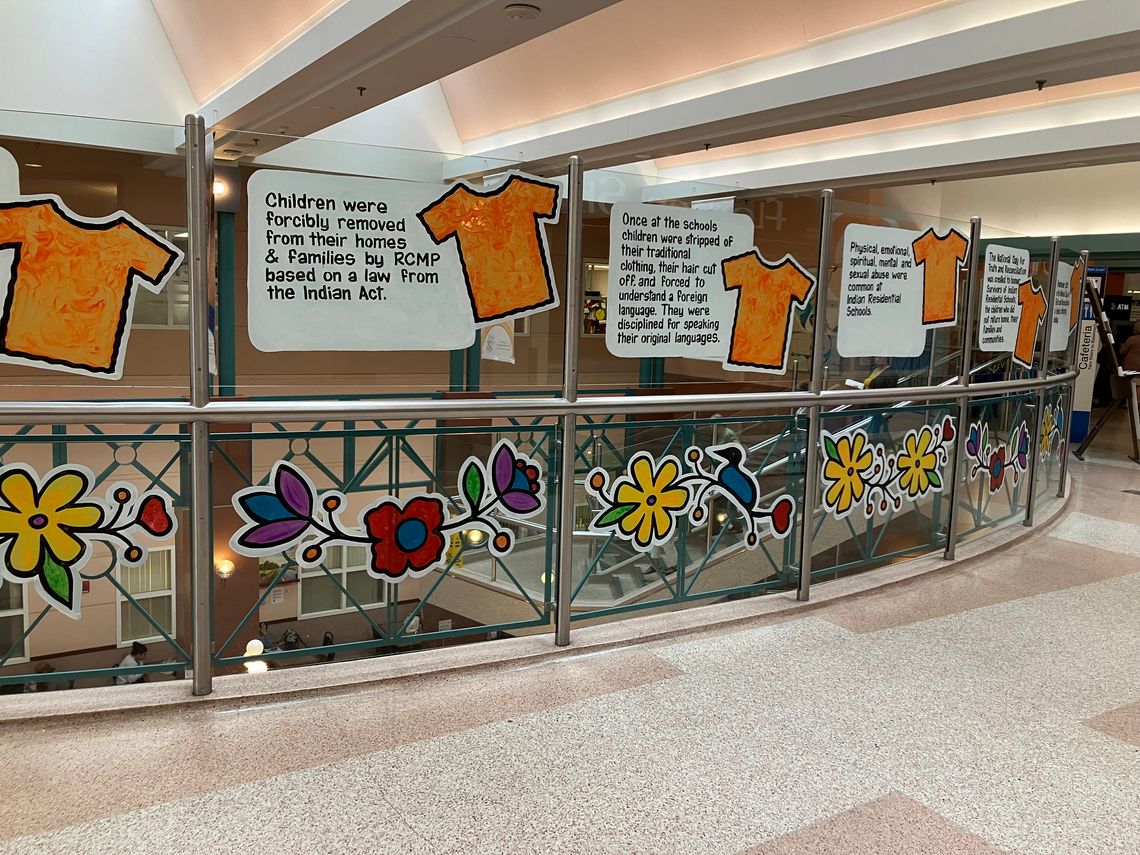
Before selecting finishes, artwork or furnishings, the Women’s Health team committed to understanding the history and systemic realities that shape Indigenous women’s experiences with health care. Through a series of educational sessions and Indigenous ceremonies, staff examined the legacy of residential schools, the Indian Act, historical trauma and contemporary realities before focusing on traditional birthing practices.
“You have to have truth before you can have reconciliation. We needed to build that understanding before we could move into action," says Michelle Stadler, Program Manager for Women’s Health at the Misericordia.
The ultimate vision is a specialized birthing suite where an Indigenous mother can enter one of the most vulnerable, meaningful moments of her life knowing her culture is honoured. The birthing room is slated to open in 2027.
The project received funding from the Indigenous Reconciliation Fund, supported by the Catholic Archdiocese of Edmonton through Covenant Foundation.
For Covenant, these initiatives are not the end of reconciliation, but part of an ongoing journey of listening, learning and taking action.
Philanthropy has an important role in this work. Through Covenant Foundation, donor support can help fund spaces, resources and approaches beyond core healthcare funding, helping Covenant teams turn learning and community guidance into more compassionate and culturally responsive care.
“We want families to know this: you are valued and respected. Your wishes are welcome, and the traditions and practices important to you have a place in your care," Michelle adds.